In contemporary culture, image appears as a tool for constructing an illusory self. The modern mask no longer serves merely to conceal the truth; it often becomes a means of creating a false image of oneself—an idealised version of one’s identity, designed to gain recognition and avoid confrontation with the real self. As Erving Goffman observes:
“Sometimes the individual acts in a thoroughly calculating manner, expressing himself in a given way solely in order to give the kind of impression to others that is likely to evoke from them a specific response he wishes to obtain.”
Today, this need has become almost obsessive. Like an actor, the individual performs a script imposed by culture, constantly balancing between truth and staging. Images, roles and personas increasingly function independently of the people or things they are meant to represent.
The characters in Georg Tabori’s play create identities in order to survive. Whether any of these identities is genuine, however, remains an open question. We can observe a similar mechanism in today’s world, where each of us can construct endless versions of ourselves, altering our appearance through digital retouching, filters, aesthetic procedures or surgery.
In a reality in which we express our gender identities with increasing openness and choose our own pronouns and forms of identification, the boundary between what is “authentic” and what is “constructed” becomes ever more fluid. The question of self-construction is no longer merely a social issue; it has become a philosophical, cultural and existential one.
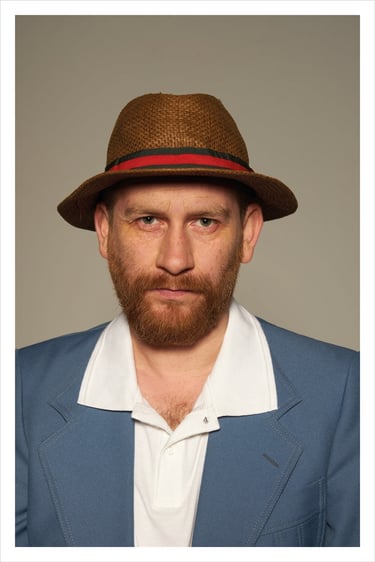
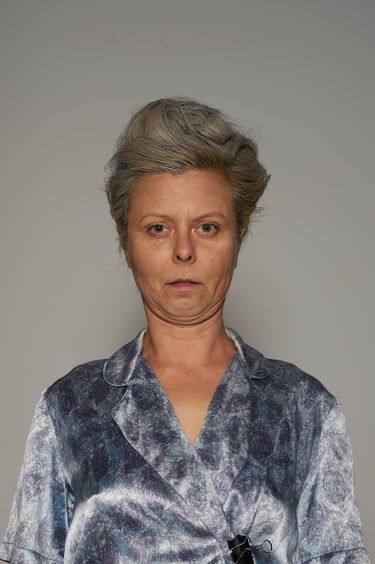
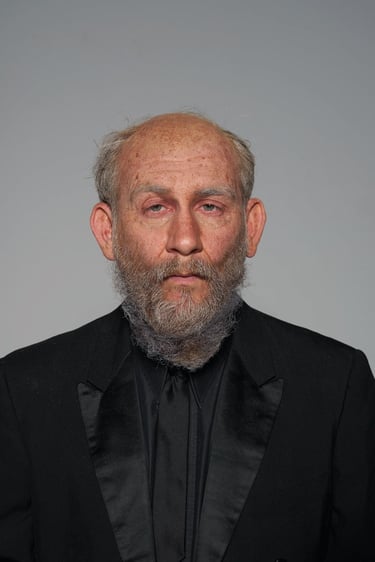
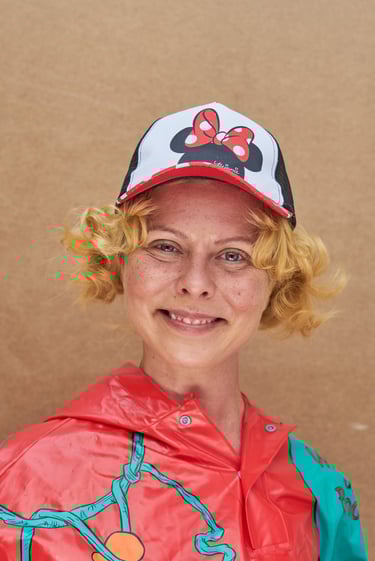
The photographic part of the project was inspired by two fundamental impulses. The first was Tabori’s premise, expressed in the introduction to Premature Departure:
“I have never done anything like this before: making a play that actually requires eighteen actors with only two. It is something entirely new, and that is why I am pleased. That turns me on. (…) I am in favour of simplicity. I am always searching for simplicity.”
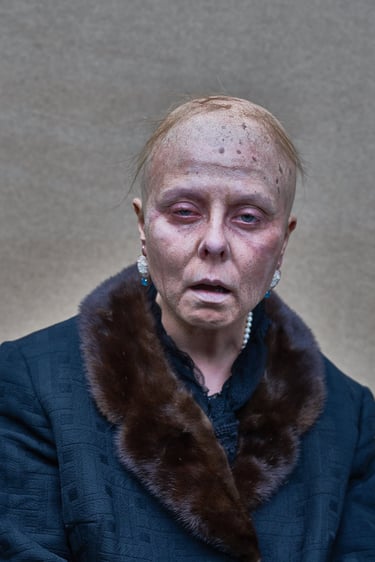
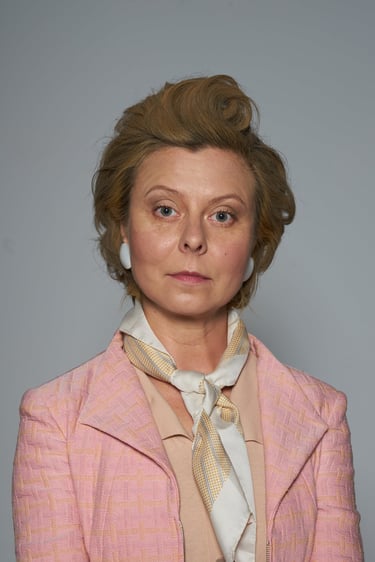
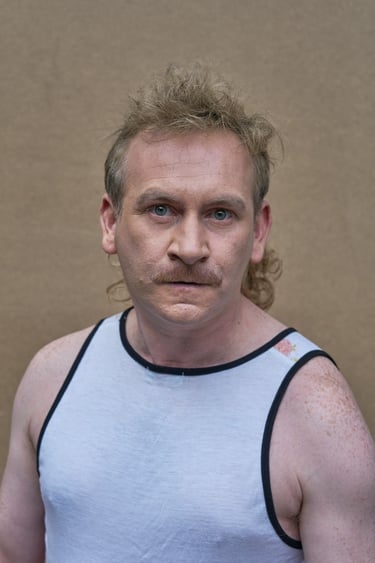
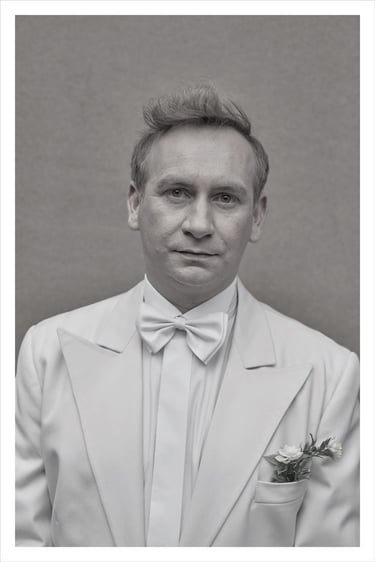
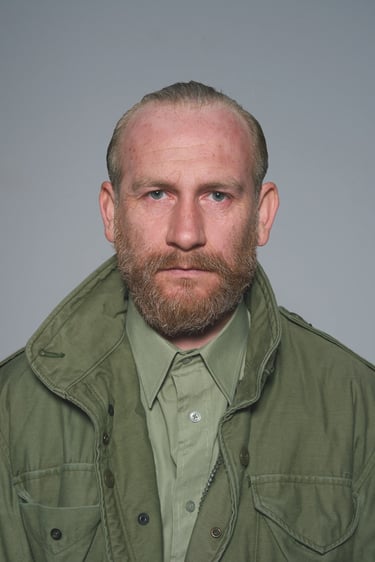
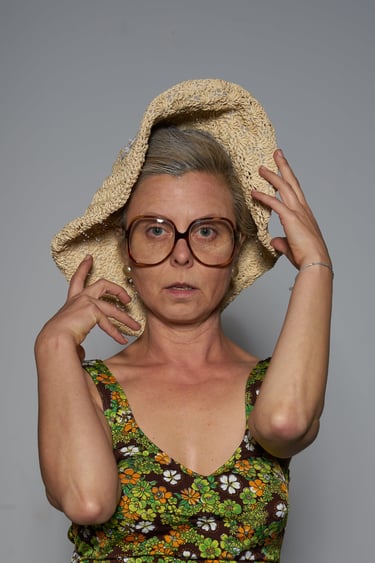
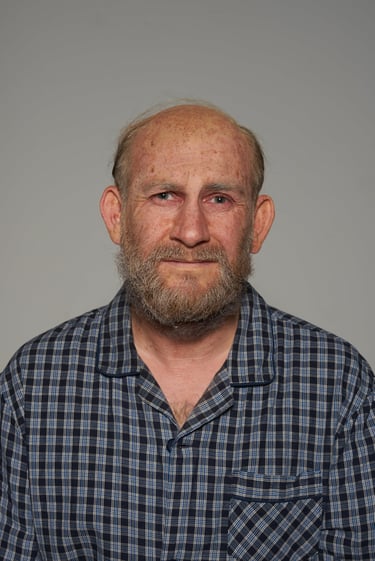
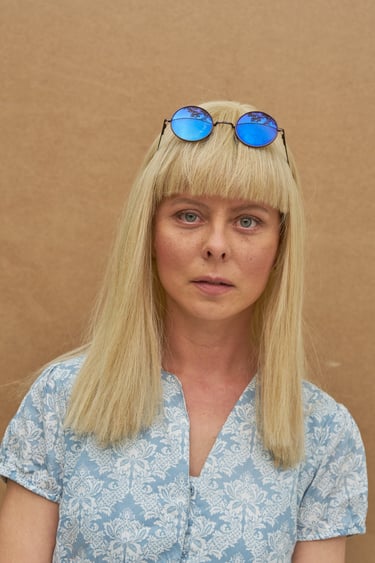
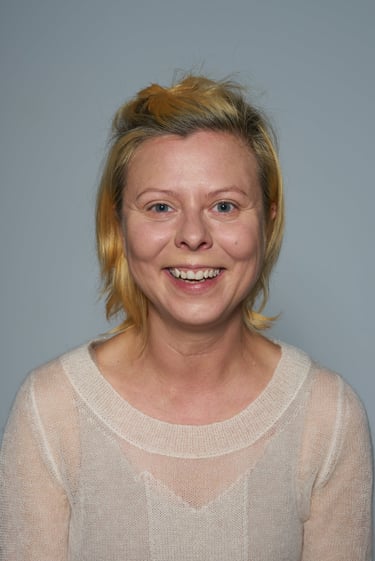
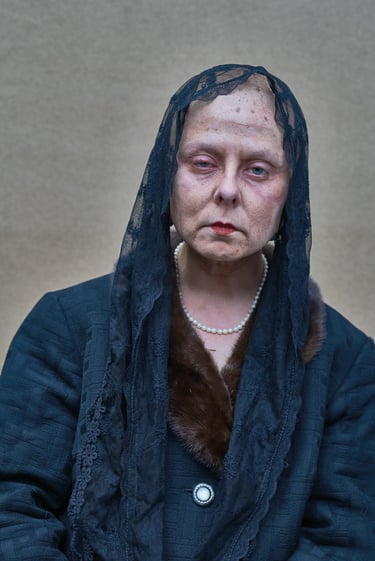
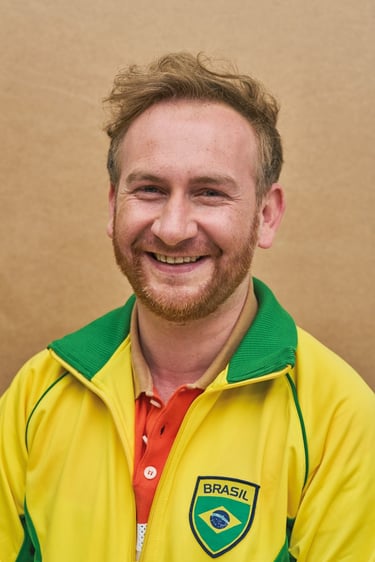
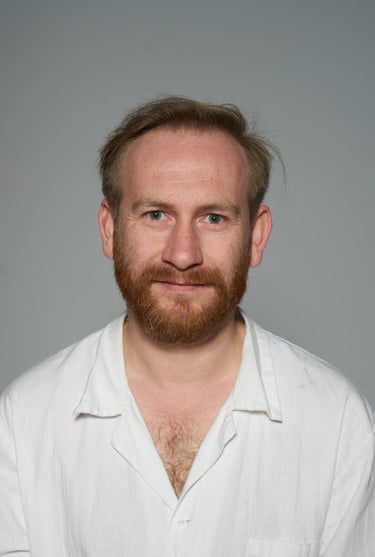
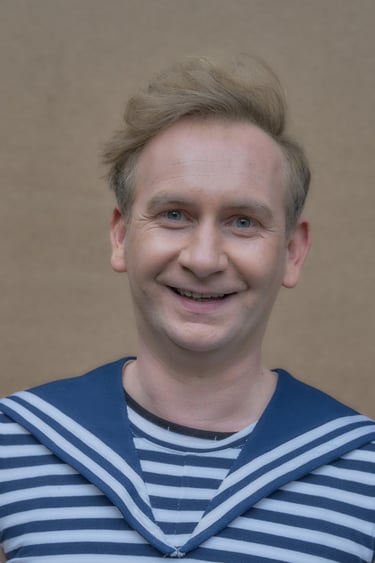
The second impulse was a reflection on the fluid and multilayered nature of identity. This led us to create eighteen photographic portraits—nine female and nine male—in which the two actors, Agnieszka Roszkowska and Krzysztof Ogłoza, embody characters representing different stages of life: from childhood, through adulthood, to old age.